


Best Family Hotels in Madinah for Muslim Travelers
- January 18, 2026
- Blogs
Best Family Hotels in Madinah for Muslim Travelers Traveling to Madinah is not just about reaching a destination; it is about entering... Read More
 by WorldTrackTravel
When I founded World Track Aviation, my dream was simple to help pilgrims experience the beauty, history, and spirituality of Ziarat Makkah and Madinah with peace of mind. I still remember my first Umrah clients, an elderly couple from Lahore. They sat in my office with tears in their eyes, saying, “We just want to see the places where the Prophet ﷺ walked.” Their sincerity touched me deeply. After they returned, they told me that every ziarat felt alive like history breathing around them. That experience changed how I planned every journey that followed.
This blog is a heartfelt guide for all who wish to perform Umrah or Hajj, and explore the most sacred Islamic holy sites in Makkah and Madinah with spiritual depth and modern comfort.
Performing Umrah or Hajj is not complete without exploring the sacred landmarks of Makkah. These are the heart of every Umrah Hajj guide, connecting you directly to the stories of faith and revelation.
The city of Makkah carries the heart of Islam. Every corner holds a memory of revelation, faith, and devotion. At the center of the city stands the majestic Masjid al-Haram, home to the Kaaba, the structure toward which every Muslim faces in prayer. As pilgrims circle the Kaaba in Tawaf, they experience unity — millions moving as one, hearts synchronized in worship.
At the Kaaba’s corner rests the Hajr-e-Aswad, or the Black Stone, a relic from paradise. Touching or gesturing toward it is a deeply emotional moment for every believer. Just nearby stands Maqam-e-Ibrahim, bearing the footprints of Prophet Ibrahim (AS). After each Tawaf, pilgrims pray here, standing on the same ground where the father of prophets once stood.
The Safa and Marwa hills tell the story of Hajra (AS) and her faith during her desperate search for water. Every step of the Sa’i between these hills carries the rhythm of her courage. The journey concludes at the Zamzam Well, the miraculous source that still flows today. Many travelers say that Zamzam tastes different in Makkah — lighter, purer, like mercy itself.
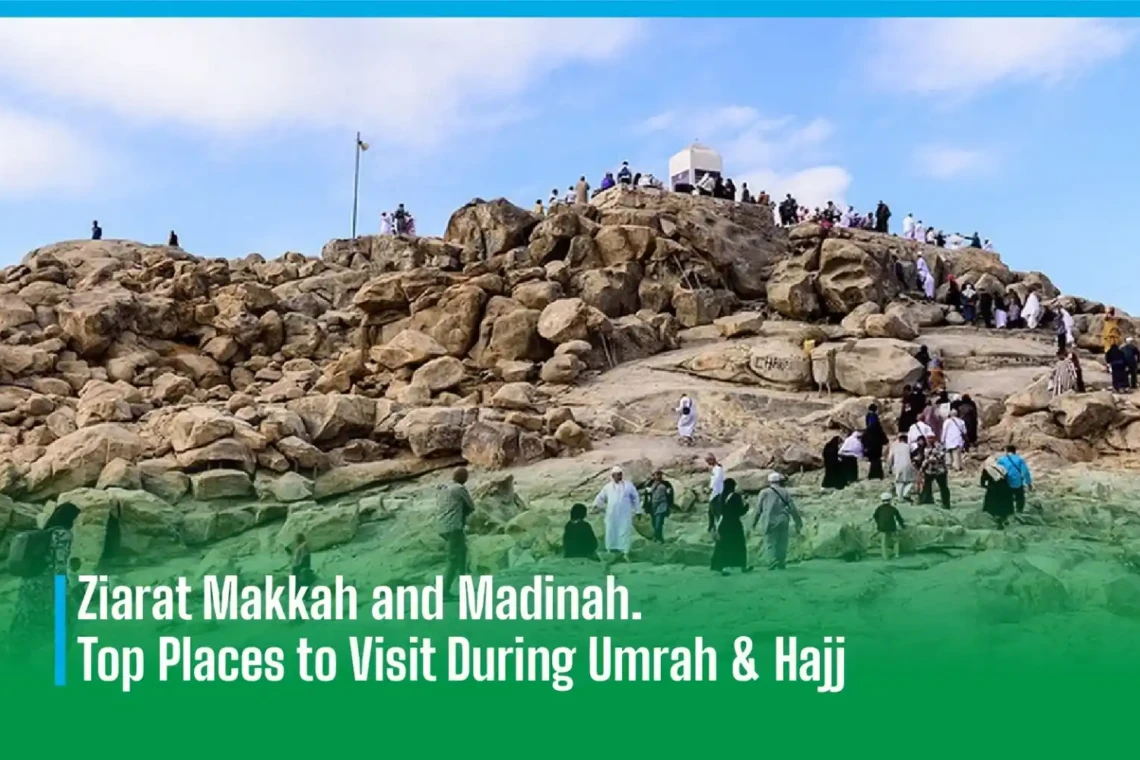
Among the most meaningful places to visit during Umrah is Jabal al-Nour, or the Mountain of Light. High within it lies Cave Hira, where the first revelation of the Qur’an was sent to the Prophet ﷺ. Standing at its peak, overlooking Makkah, one cannot help but feel the magnitude of that divine moment. A short distance away is Jabal Thawr, the mountain of refuge during the Hijrah to Madinah. Inside its small cave, the Prophet ﷺ and Abu Bakr (RA) hid while Allah sent protection in the form of a spider’s web and a dove’s nest — timeless symbols of faith and divine care.
The plains of Mina, Muzdalifah, and Arafat are central to Hajj. Mina is where pilgrims perform the symbolic stoning of the devil, Muzdalifah is where they collect pebbles and reflect under the night sky, and Arafat is the field where the Prophet ﷺ delivered his farewell sermon — the day on which Allah perfected the religion. Visiting these areas outside Hajj season still leaves the heart trembling with awe.
Finally, there is Jannat al-Mu’alla, the sacred cemetery of Makkah. It holds the graves of the Prophet’s beloved wife, Sayyida Khadijah (RA), and many of his companions. Walking through it brings humility and a reminder of life’s true purpose.
For comfortable stays near the Haram, I personally recommend Emaar Al Khalil Hotel and Worth Elite Hotel Mecca — both chosen after detailed inspections for cleanliness, service, and accessibility. One of our clients once told me, “We could hear the Adhan echoing through our window every morning. It felt like Jannah had descended.”
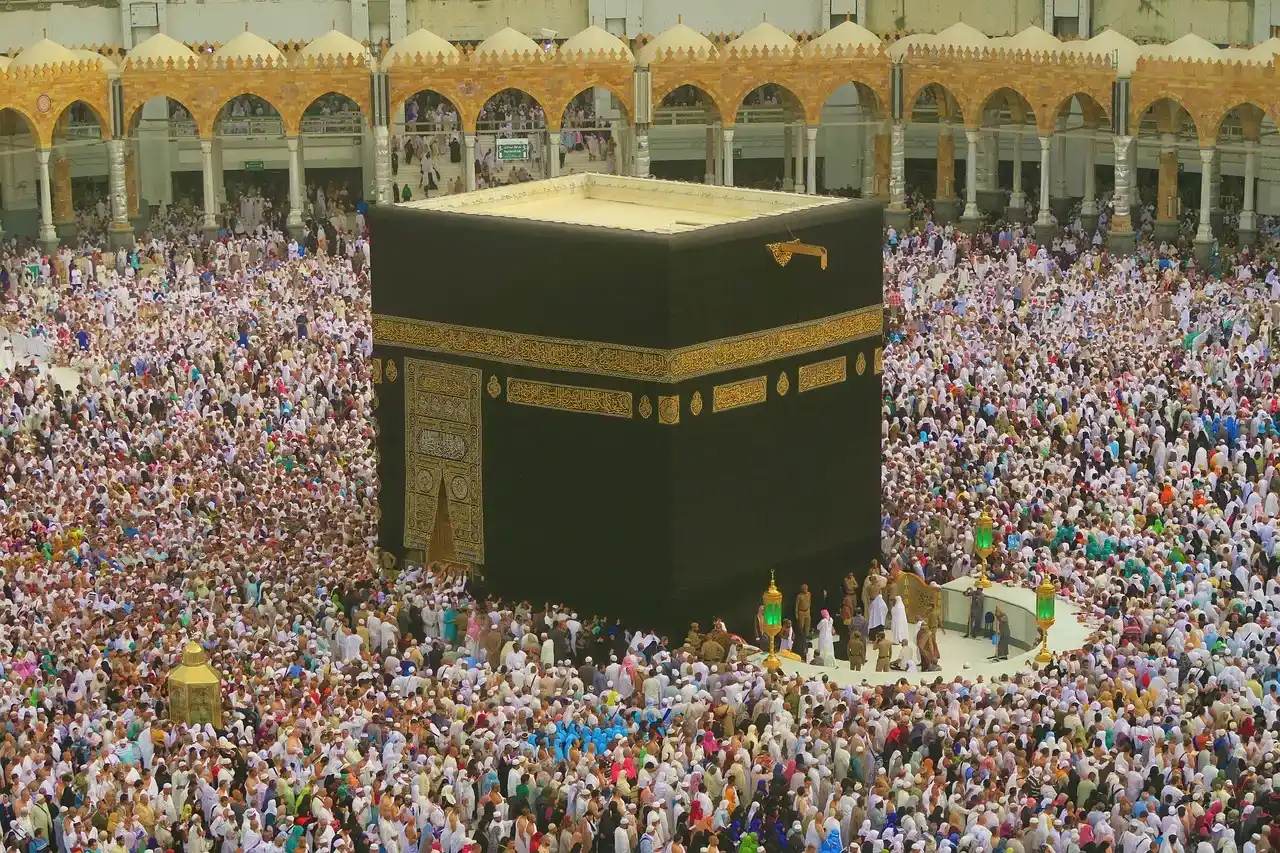
The holiest mosque in Islam, Masjid al-Haram, surrounds the Kaaba the sacred house of Allah. Circumambulating it during Tawaf fills the heart with humility and devotion.
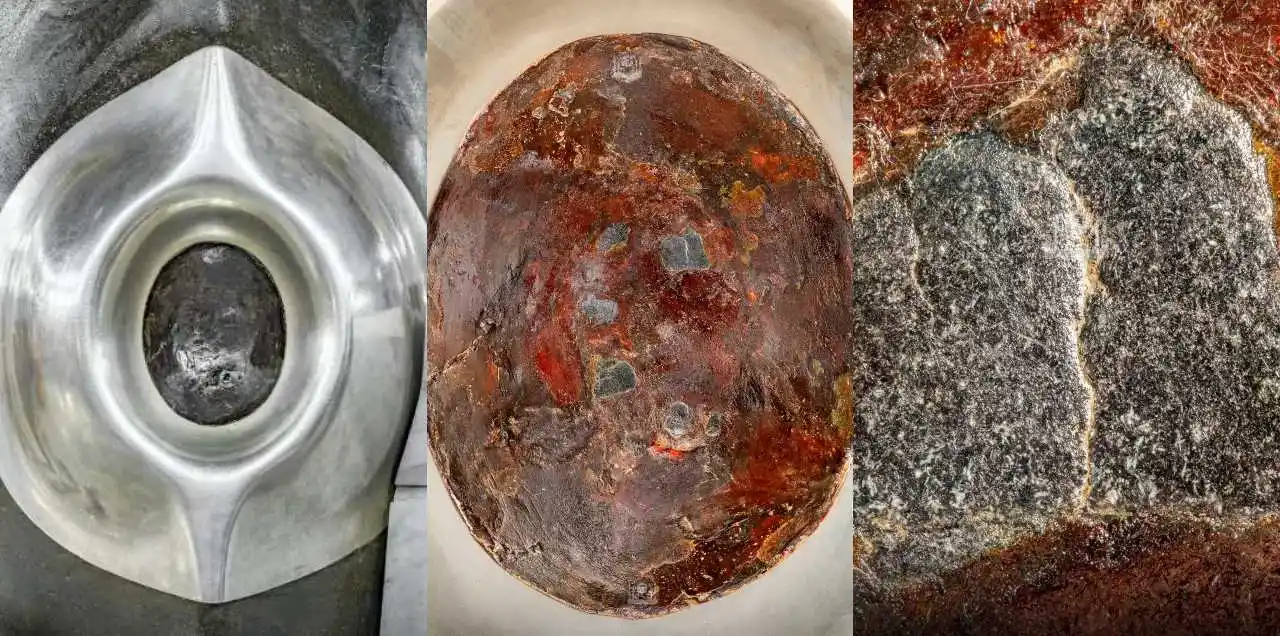
Placed in the Kaaba’s eastern corner, this blessed stone from Paradise holds deep spiritual meaning. Touching or gesturing towards it revives one’s covenant with Allah.
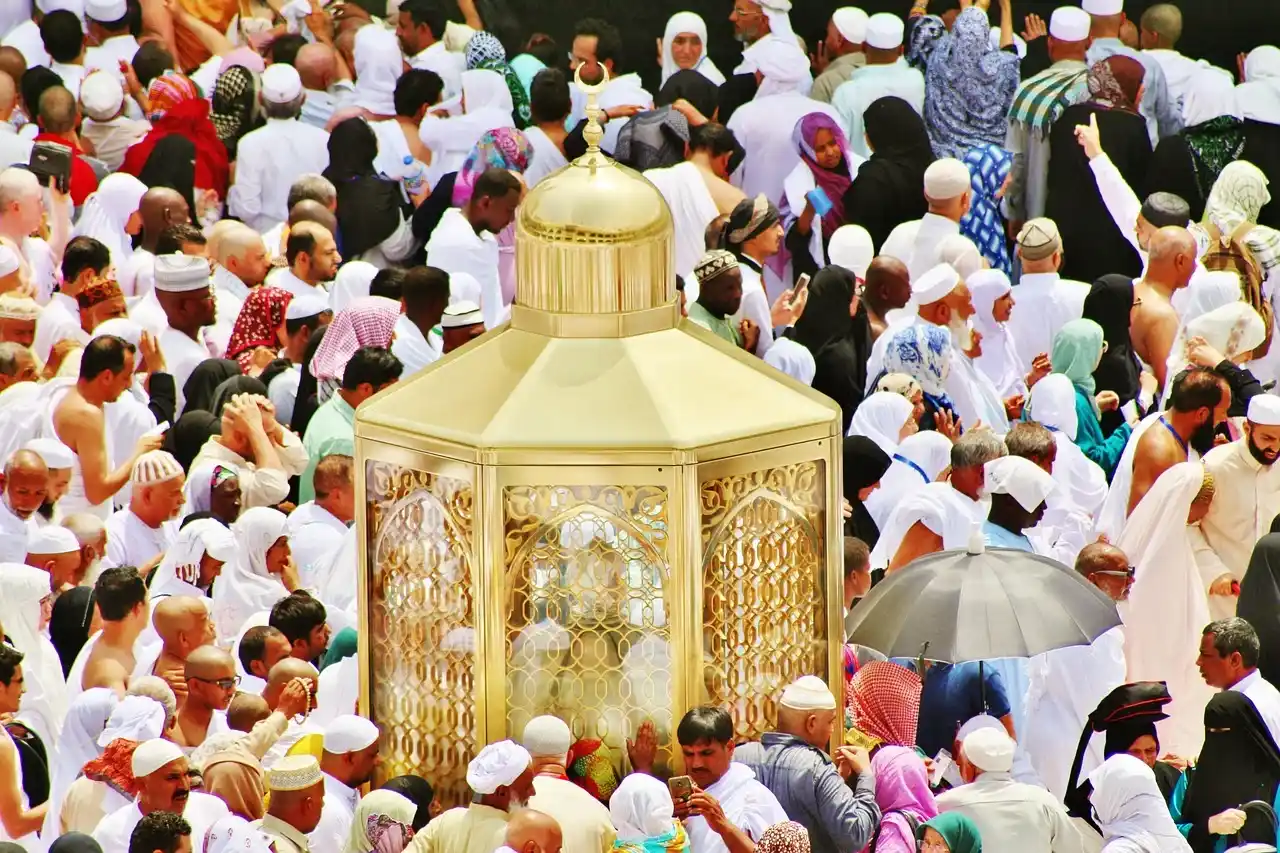
Just beside the Kaaba stands Maqam e Ibrahim, containing the footprints of Prophet Ibrahim (AS). Praying behind it is a Sunnah that reminds believers of sacrifice and legacy.
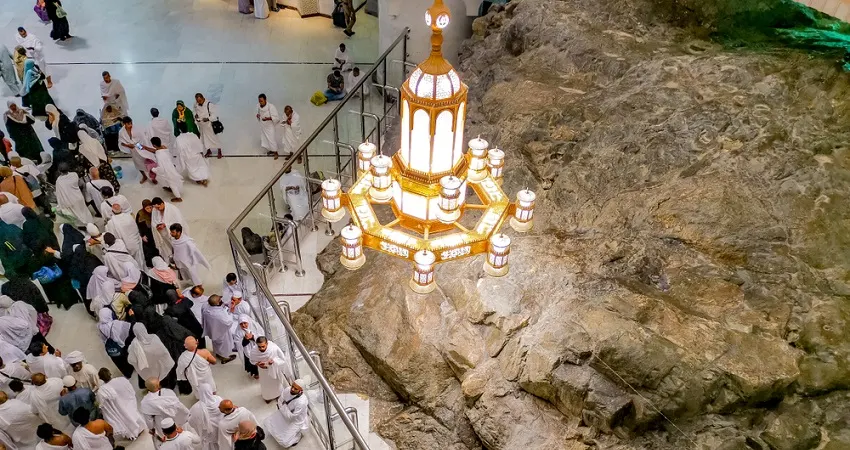
These hills represent the story of Hajra (AS) and her unwavering faith. Performing Sa’i here recalls her devotion and Allah’s mercy.
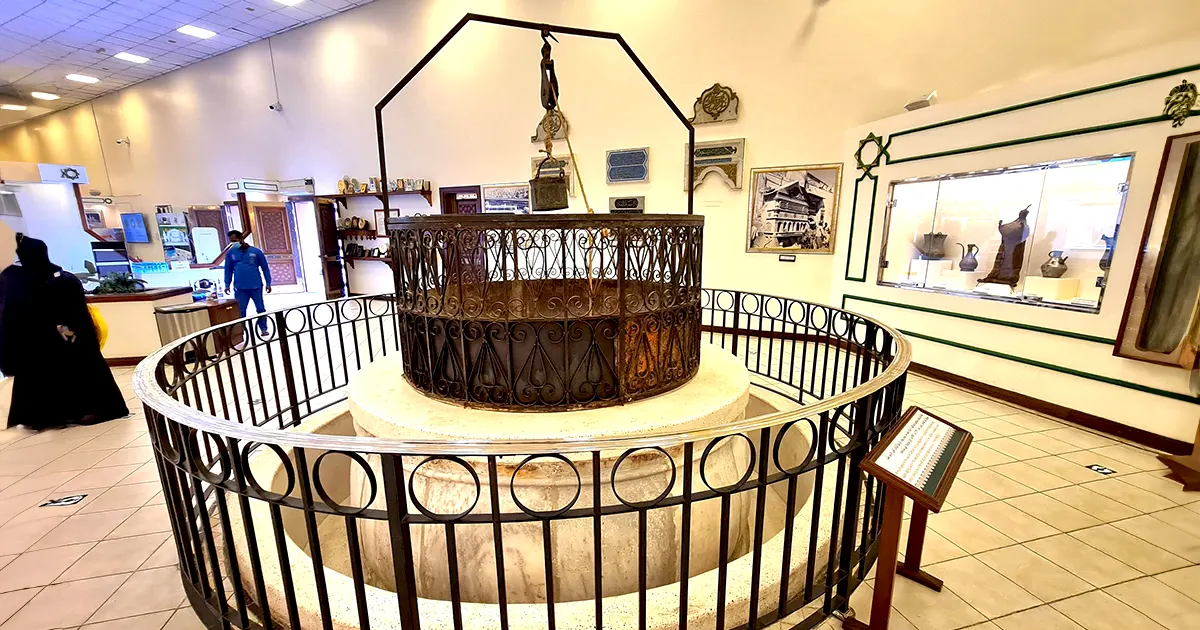
A divine gift discovered by Hajra (AS), Zamzam water continues to flow endlessly. Drinking it with sincere intention brings healing and spiritual energy.
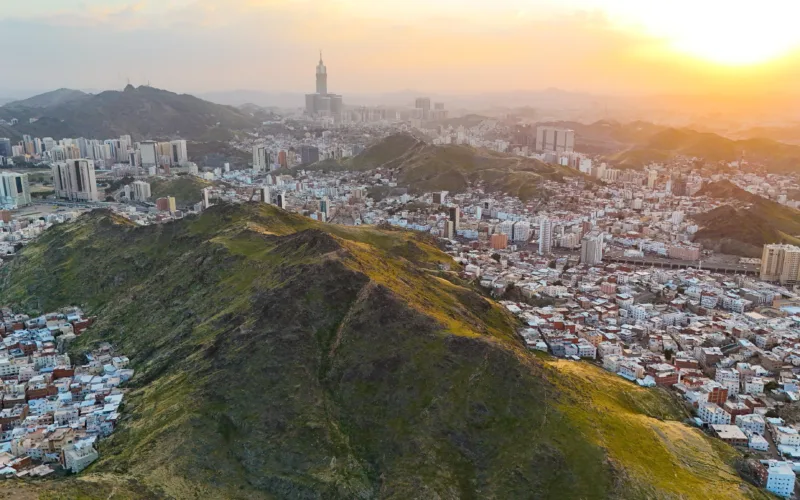
Known as the Mountain of Light, this is where the first revelation descended. Pilgrims often climb it to reflect and connect with the moment that changed history.
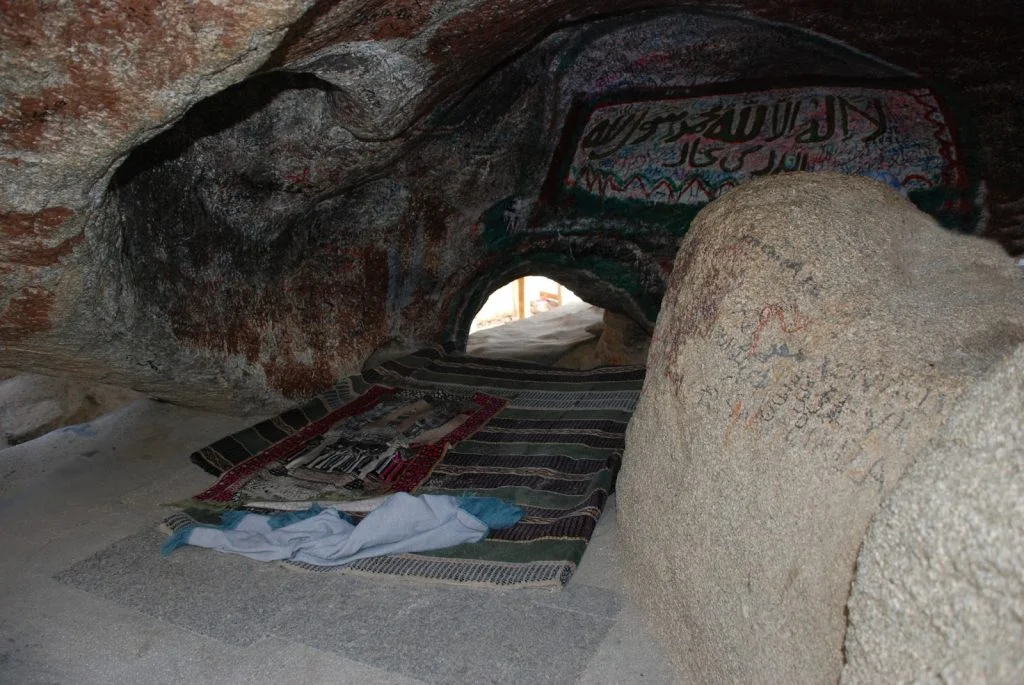
The cave of refuge during the Prophet’s migration to Madinah — where Allah’s protection descended in miraculous form through a spider’s web.
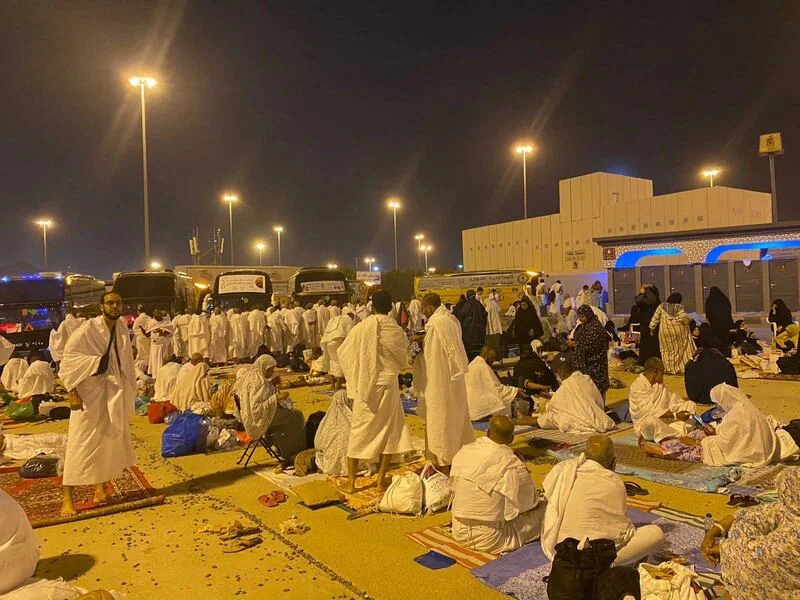
These are the spiritual centers of Hajj. Standing at Arafat is the climax of pilgrimage, symbolizing forgiveness and renewal of faith.
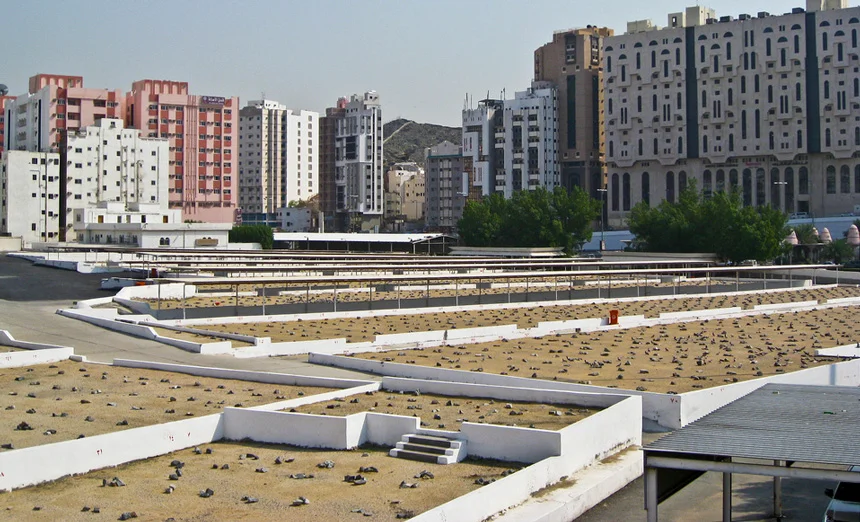
The final resting place of Sayyida Khadijah (RA) and other early Muslims. It stands as a timeless reminder of humility and piety.
Choosing the right accommodation can make your Ziarat Makkah and Madinah journey more comfortable and meaningful. We personally inspected and handpicked hotels that combine proximity, cleanliness, and affordability.
After completing Umrah, visiting Madinah offers deep peace and reflection. This radiant city holds the Prophet’s Mosque and many sites linked to the earliest days of Islam.
If Makkah teaches surrender, then Madinah teaches love. The air in Madinah feels calmer, softer, and deeply spiritual. The Prophet’s Mosque, Masjid an-Nabawi, is the city’s radiant heart. Its shining green dome marks the resting place of Rasulullah ﷺ. No visit to Madinah is complete without standing before his sacred chamber, sending peace and blessings upon him, and feeling the tears that come naturally in that moment of gratitude.
Within the mosque lies Rawdah al-Jannah, known as the Garden of Paradise. It is said that praying here brings immense reward, as it is a piece of Jannah on earth. The serenity of this space, filled with fragrance and light, leaves pilgrims speechless.
Not far from Masjid an-Nabawi stands Masjid Quba, the first mosque built in Islam. Offering just two rak’ahs here equals the reward of one Umrah. Another important location is Masjid al-Qiblatayn, where the Qiblah was changed from Jerusalem to Makkah — a moment that redefined Islamic history.
Beyond the mosques, Mount Uhud stands tall, bearing witness to the courage of the companions during the famous Battle of Uhud. The Prophet’s uncle, Hamza (RA), rests here — a martyr of unmatched bravery. A visit to Uhud fills the heart with pride and sadness all at once. The nearby Jannat al-Baqi cemetery, where many of the Prophet’s family and companions are buried, inspires reflection and reverence.
The city also holds The Seven Mosques Complex, connected to the Battle of the Trench, and the date farms for which Madinah has been famous since the Prophet’s time. Walking through the palm-lined paths, tasting freshly harvested dates, and hearing stories of how the Prophet ﷺ personally tended these gardens create memories that last a lifetime.
For accommodations, our top choices are Emaar Mektan Hotel, known for its elegant ambiance, and Retaj Al Rawda Hotel, loved by families for its tranquility. Guests often mention how the staff greet them with “Assalamu Alaikum” before anything else — a small gesture that reflects the spirit of Madinah itself.
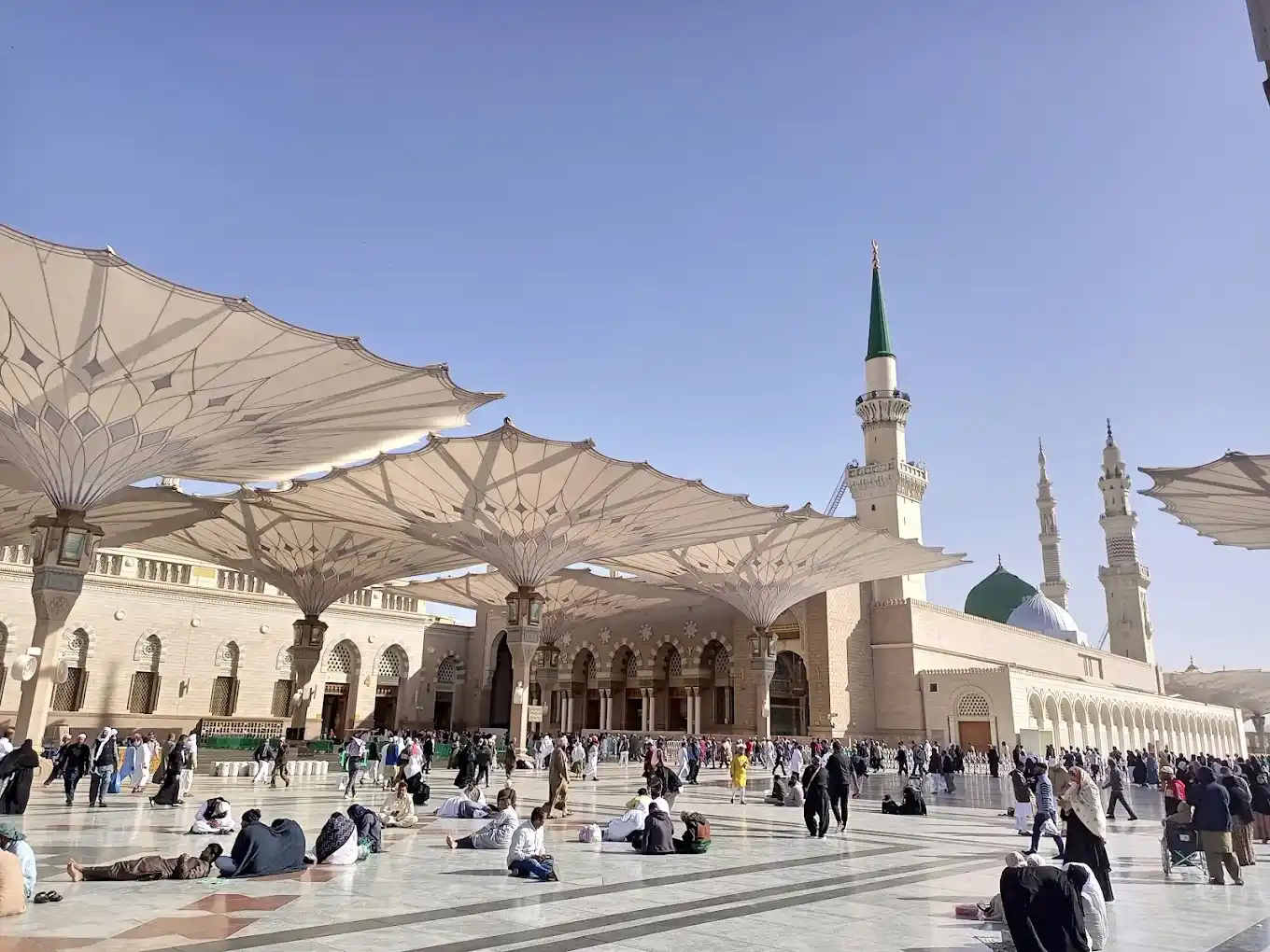
The Prophet’s Mosque is the spiritual heart of Madinah. Standing beneath its green dome fills every pilgrim with love and calm.
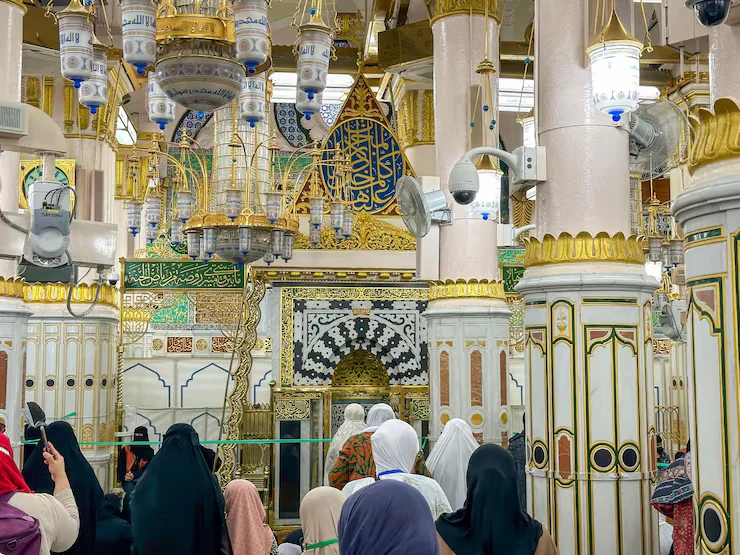
The area between the Prophet’s home and pulpit, described as a garden from Paradise. Offering two rak’ahs here is among the greatest blessings.
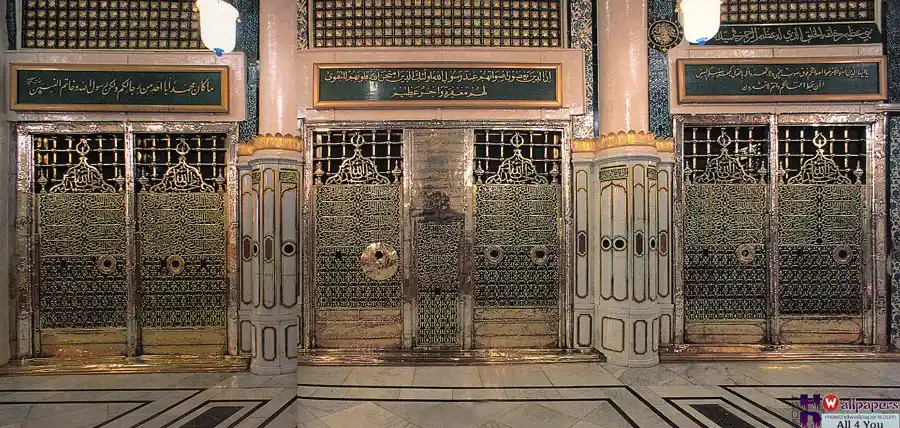
Here rests the Prophet Muhammad ﷺ, along with Abu Bakr (RA) and Umar (RA). Pilgrims send their salaam and reflect upon their journey.
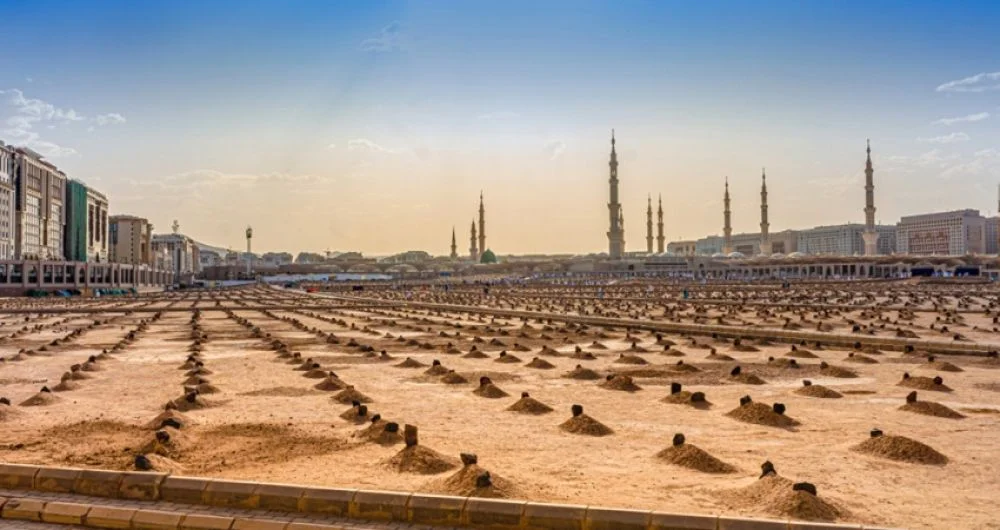
The burial ground of many companions and family members of the Prophet ﷺ. It is a deeply emotional and humbling visit.
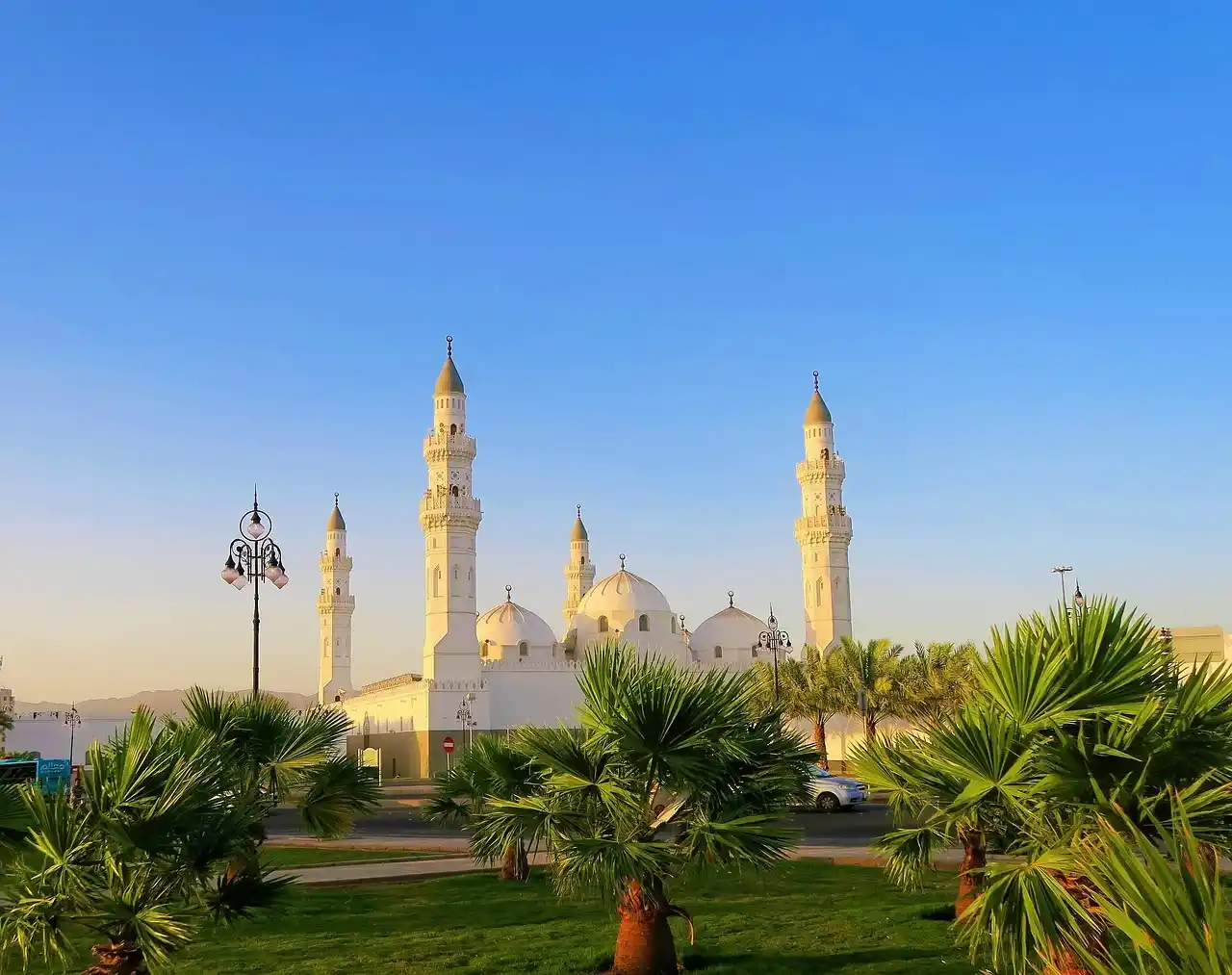
The first mosque built in Islam, where two rak’ahs hold the reward of one Umrah.
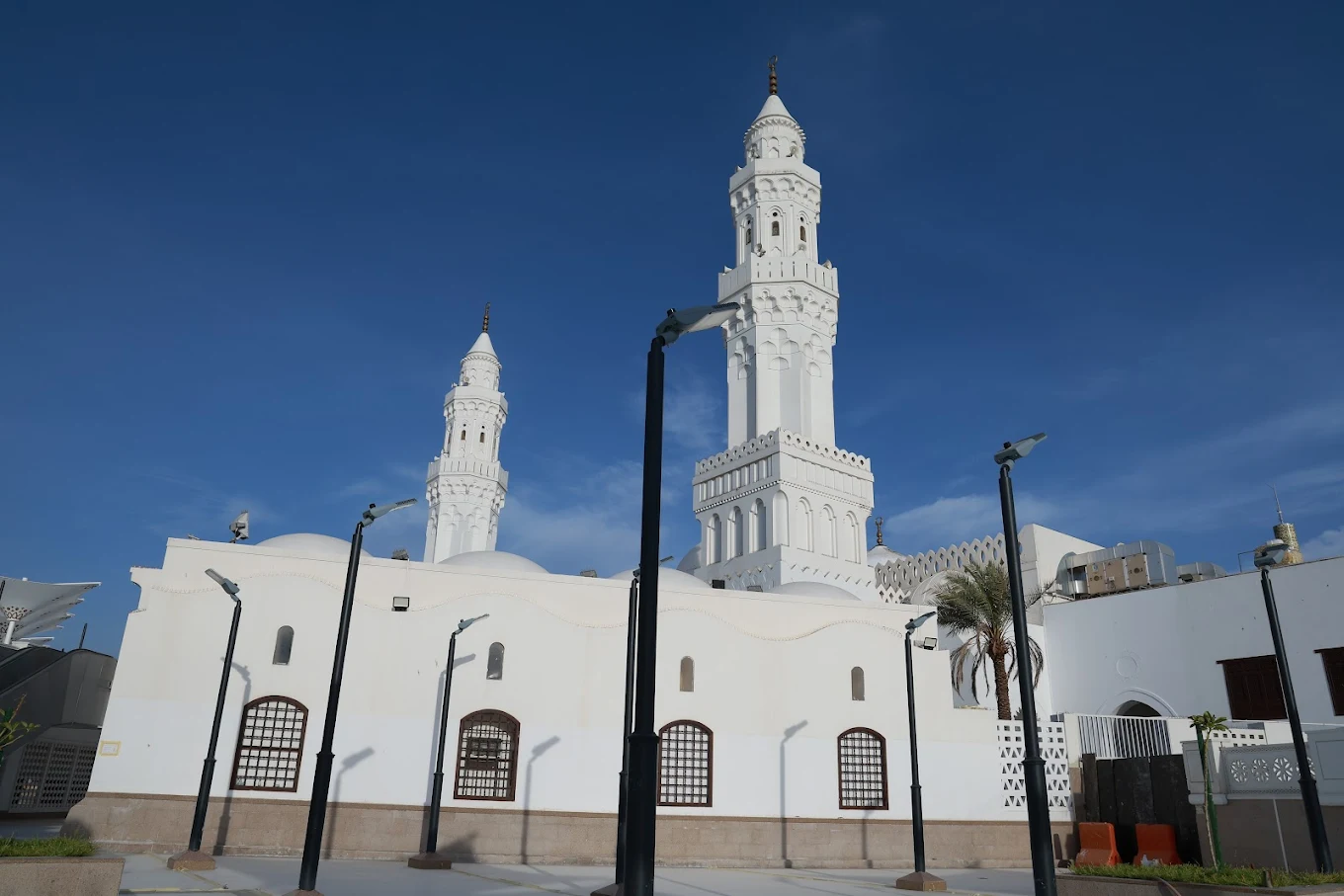
Known as the Mosque of Two Qiblahs, where the direction of prayer changed from Jerusalem to Makkah.
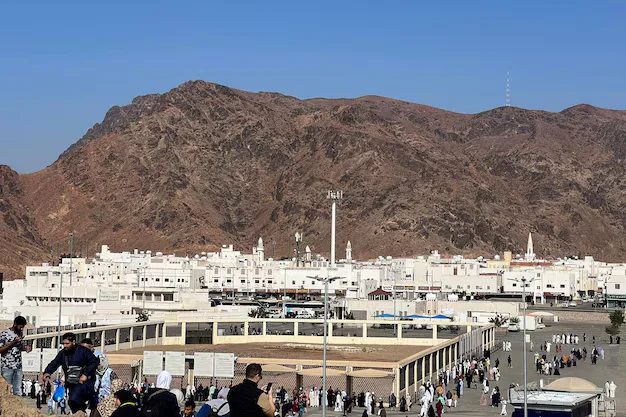
The site of the Battle of Uhud, where Sayyiduna Hamza (RA) was martyred. Standing here reminds pilgrims of sacrifice and bravery.
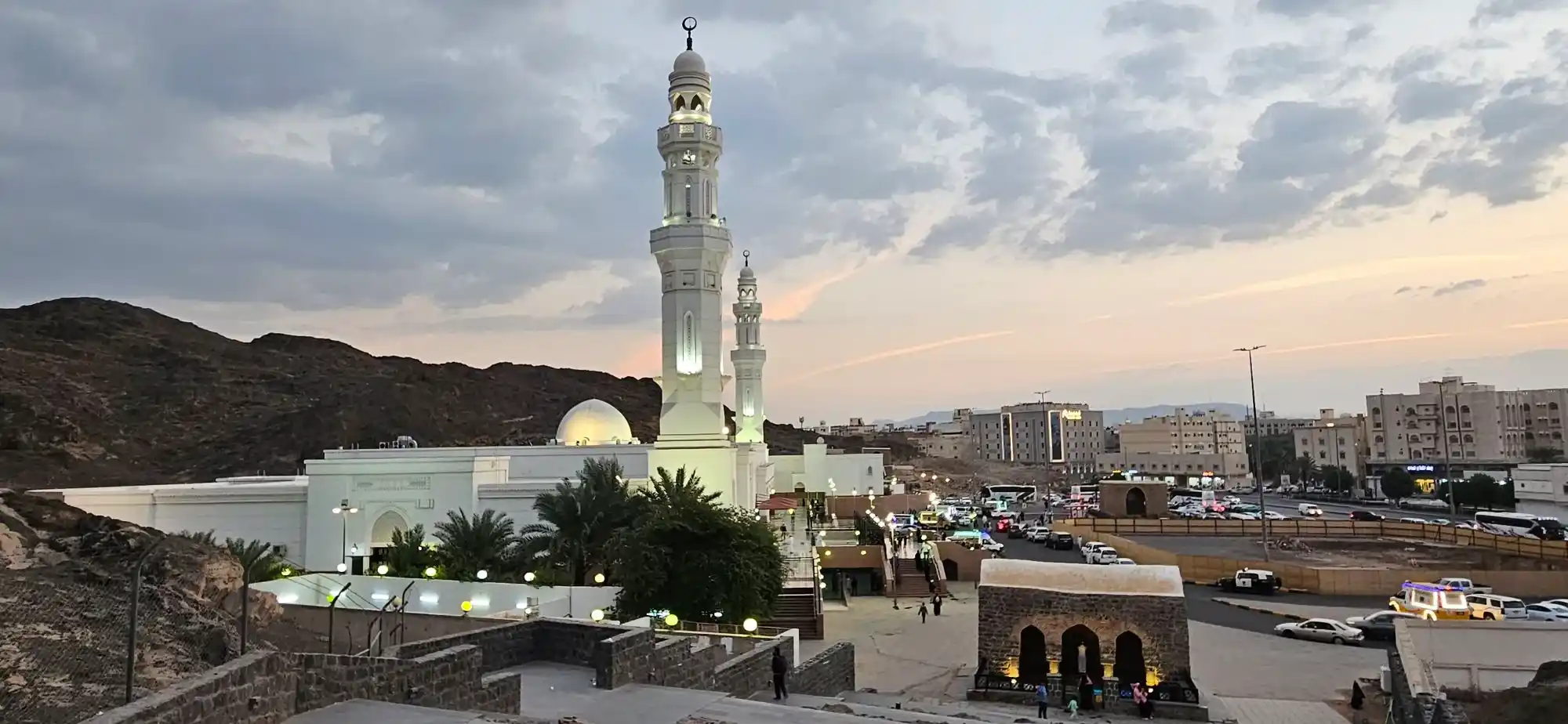
A group of small historic mosques linked to the Battle of the Trench, representing unity and strategic wisdom.
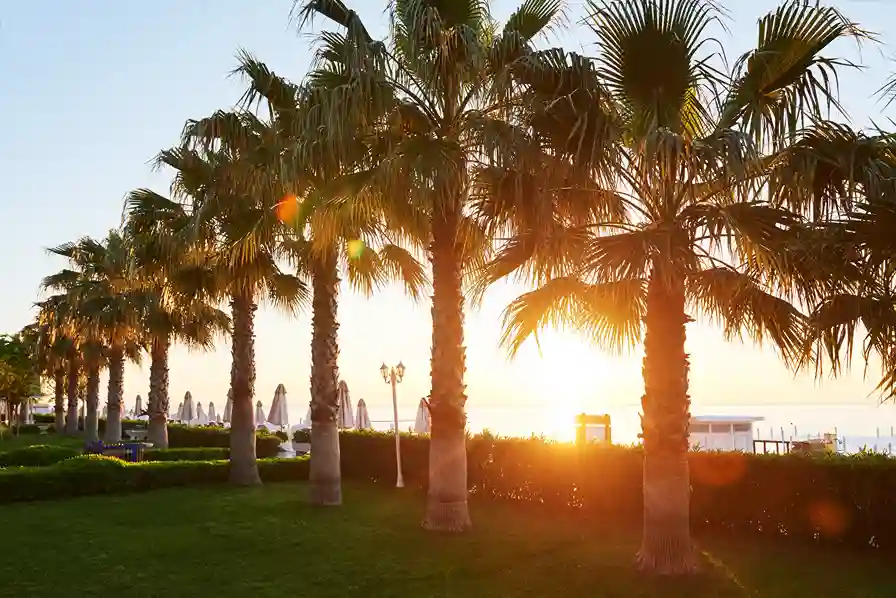
Madinah’s lush date farms are a reflection of the city’s beauty and simplicity. Tasting fresh Ajwa dates, once loved by the Prophet ﷺ, completes the ziarat experience.
Our hotel selection process in Madinah focused on proximity to Masjid Nabawi, cleanliness, and positive guest experiences.
I always share the story of two brothers from Karachi who had very different experiences because of when they traveled. One visited in August and struggled with the intense heat, spending most of his time indoors. The other visited in January and was able to perform prayers at the Haram multiple times daily and visit all the historical sites comfortably. Timing truly makes all the difference.
• Winter Wonders (November to February): This is undoubtedly the golden period for pilgrimage. The mild weather makes walking between sites in Makkah and exploring the historical places in Madinah an absolute pleasure. It’s particularly ideal if you’re traveling with elderly parents or young children who might struggle with extreme temperatures.
• Ramadan’s Spiritual Peak: While the rewards are immense, the practical challenges are too. The crowds are overwhelming, hotel prices triple, and getting permits for special prayers requires advance planning. If you choose this period, book at least six months ahead and be prepared for a more intense, though deeply spiritual, experience.
• Shoulder Seasons Offer Balance: The months just after Hajj (October-November) and before Ramadan (February-March) offer a beautiful balance. You get pleasant weather, reasonable crowds, and better hotel rates. It’s what I often recommend to first-time visitors who want to focus on their worship without distraction.
• Summer Considerations: If you must travel between June and September, plan your outdoor ziyarat for early mornings or late evenings. The midday heat can be harsh, especially for those not accustomed to desert climates. Always carry water and dress in light, breathable fabrics.
Traveling for Ziarat Makkah and Madinah requires thoughtful preparation. Saudi Arabia has introduced new rules to enhance convenience and safety. Always carry your passport, identification, and digital permit through the Nusuk app.
I’ve witnessed many beautiful and some uncomfortable moments involving cameras at holy sites. I recall a young woman desperately trying to take a selfie with the Kaaba in the background during tawaf, completely unaware she was disturbing other worshippers. On the other hand, I’ve seen elderly pilgrims simply sitting in quiet contemplation, creating memories that would stay in their hearts forever.
• Understanding the Sacred Spaces: The area immediately around the Kaaba and the Prophet’s (ﷺ) chamber are places for worship, not photography. Using your phone for pictures in these specific areas is generally frowned upon and can distract others from their devotions. The focus should be on connecting with Allah, not capturing the perfect shot.
• Appropriate Photography Opportunities: The magnificent architecture of the mosque courtyards, the stunning minarets against the sky, and historical sites like Jabal al-Nour or the Seven Mosques complex are perfect for photography. Always be aware of your surroundings and avoid including other worshippers in your shots without their permission.
• Create a Spiritual Journal: Instead of relying solely on photos, consider keeping a simple journal. Each evening, write down your experiences – the prayers you made, the emotions you felt, the small miracles you witnessed. These written reflections often become more precious than any photograph and help you process the spiritual journey.
• Be Present in the Moment: Sometimes, the best way to honor a sacred experience is to put the camera away entirely. Just be fully present – feel the cool marble beneath your feet, listen to the sound of prayers echoing through the mosque, and immerse yourself completely in worship. These sensory memories often stay with you longer than any image.
Planning your spiritual journey today is completely different from what it was even five years ago. I remember helping an elderly couple from Rawalpindi who were completely confused by all the new technology. The husband, a retired school teacher, told me, “Beta, we just want to perform Umrah like we did in 1995, but now there are apps and websites everywhere.” We sat with them for an hour, walking them through each step on a tablet, and the relief on their faces when they finally understood was unforgettable.
Here’s what you need to know to navigate the modern booking process smoothly:
• The Nusuk App is Your Digital Companion: This official Saudi government app handles everything from your e-visa to booking time slots for visiting the Rawdah in Madinah. Download it before you travel and take some time to explore its features.
• Train Travel Made Simple: The Haramain High-Speed Railway has transformed travel between the holy cities. The journey that used to take 5-6 hours by road now takes just over two hours in air-conditioned comfort. You can book tickets online, but we recommend letting your travel agency handle this to ensure proper timing with your overall schedule.
• Hotel Booking Strategies: When searching for accommodation, look beyond just the price. Consider the walking distance to the Haram, elevator availability for elderly family members, and whether the hotel offers prayer timing announcements. Many modern hotels now have prayer areas on each floor and direct Haram views.
• Digital Permits are Mandatory: Remember that for certain ziyarat locations and even for prayers in the Rawdah during busy periods, you’ll need digital permits arranged through your agency or via the Nusuk app. Don’t leave this until the last minute.
Before beginning your Umrah Hajj guide journey, take time for inner reflection. Renew your intention, repent sincerely, and plan each ziarat as an act of worship.
A gentleman from Islamabad once told me something that stayed with me. He said he was so busy arranging flights, hotels, and packing that he arrived in Makkah with what he called “a tourist’s heart” rather than “a pilgrim’s heart.” It took him three days to shift his mindset. Your inner preparation is what transforms a trip into a spiritual journey.
• Start with Sincere Intention: Before you even look at flight prices or hotel options, sit in a quiet space and renew your niyyah. Remember this journey is solely for Allah’s pleasure. Write down your spiritual goals – what do you hope to achieve? What sins do you wish to seek forgiveness for? This clarity will guide your entire journey.
• Connect with the Stories: When you stand at Cave Hira or walk between Safa and Marwah, knowing what happened there will make the experience profound. Read about the Prophet’s (ﷺ) life, the stories of Ibrahim (AS) and Hajra (AS). This knowledge turns stones and mountains into pages from history that speak directly to your heart.
• Practical Dua Preparation: Don’t stress about memorizing long Arabic prayers you don’t understand. Focus on learning the basic duas for travel, entering mosques, and the general supplications for each ziyarat site. Most importantly, prepare to speak to Allah in your own words, from your heart, in your own language. He understands every language.
• Financial Purity Matters: Try to save from halal earnings for this journey. If you have any outstanding debts or disputes, try to resolve them before you travel. A clear conscience and clean wealth add immense barakah to your pilgrimage.
Performing Ziarat Makkah and Madinah requires both spiritual and practical preparation. Saudi Arabia’s new Umrah regulations make travel smoother, but organization still matters. It is best to plan visits early in the morning, when temperatures are cooler and crowds lighter. During summer, temperatures can exceed 45°C, so pilgrims are advised to carry light cotton clothes, refillable water bottles, and umbrellas. Winters, on the other hand, are cool and ideal for long walks.
Budget travelers can save by choosing group ziarat tours, which include licensed guides, air-conditioned buses, and access to multiple Islamic holy sites in a single day. For those seeking independence, the Haramain Train offers high-speed comfort between Makkah and Madinah, allowing flexible day trips.
Saudi authorities now require a Nusuk app permit for certain mosques and ziarat locations. Always ensure your agency arranges this in advance. For peace of mind, read How to Check Travel Agency Licence in Pakistan before finalizing any booking.
At World Track Aviation, we personally inspect every ziarat site, guide route, and accommodation before adding it to our packages. Our clients are not just travelers — they are guests of Allah. Every journey we design is crafted to help them experience the beauty of Ziarat Makkah and Madinah in comfort, safety, and deep reflection.
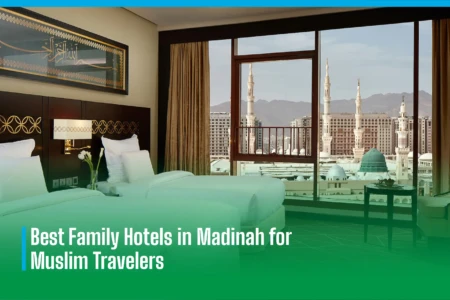

Best Family Hotels in Madinah for... Read More

How to Book the Cheapest Makkah... Read More

Top 10 Budget Hotels Near Haram... Read More
This is a really useful and thorough guide! I can attest to the accuracy…
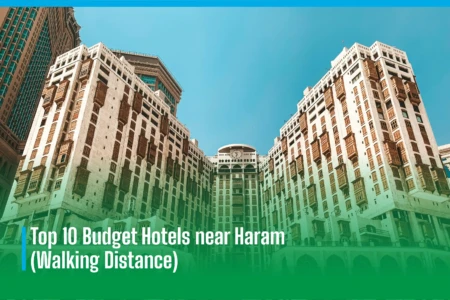
[…] Ziarat Makkah and Madinah – Top Places to Visit During Umrah and Hajj is not only about sightseeing but about reflection, learning, and strengthening faith. With proper planning, even a short ziyarat can become deeply meaningful. […]